Past Editions
The Amsterdam Complexity School on Climate Change (ACSCC) took place three times, in 2024, 2025, and 2026. Below you find some photos, the program, and the list of speakers of the first three editions.
ACSCC 2026
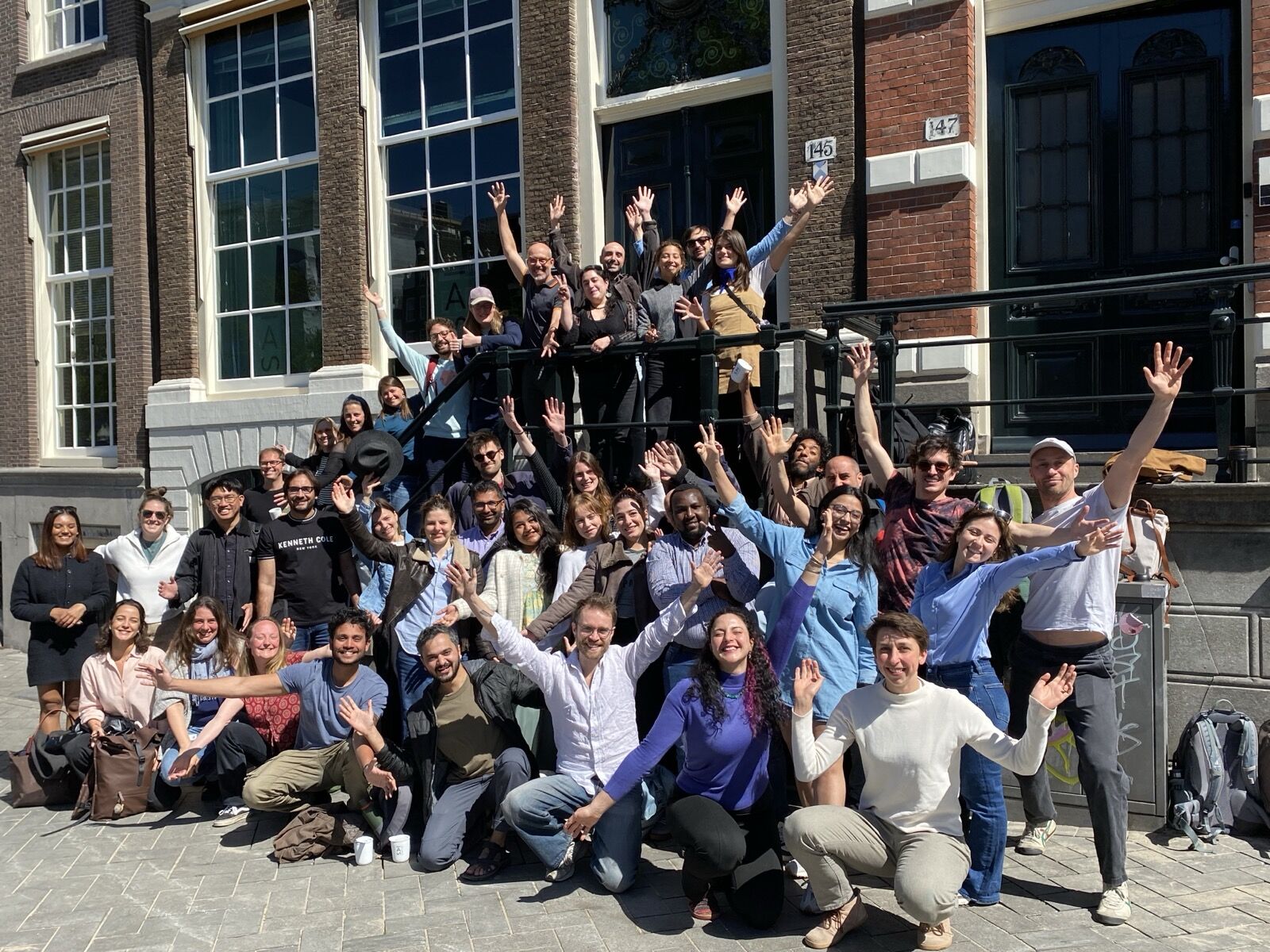
Group Photo
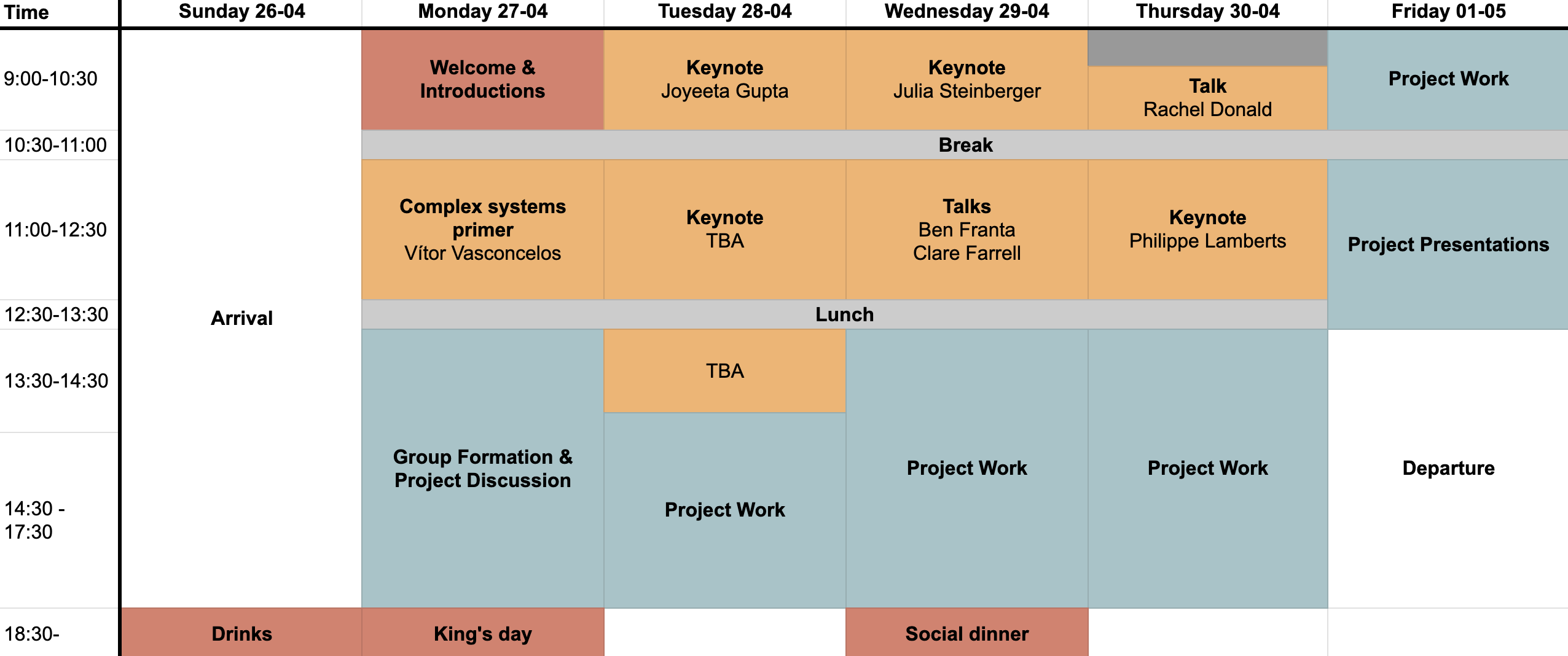
Program
Projects
Projects included work on (mis)perceptions of climate beliefs, how to prevent maladaptation, how social power influences social tipping, the facts, misinformation, and local costs of data centers, climate delay discourses in the media, what insurance can learn from the resilience of ecosystems, targeting leverage points to transform energy and food systems, and a poetic reflection on solidarity beyond the “I” — rethinking how we talk and think about nature.
Speakers
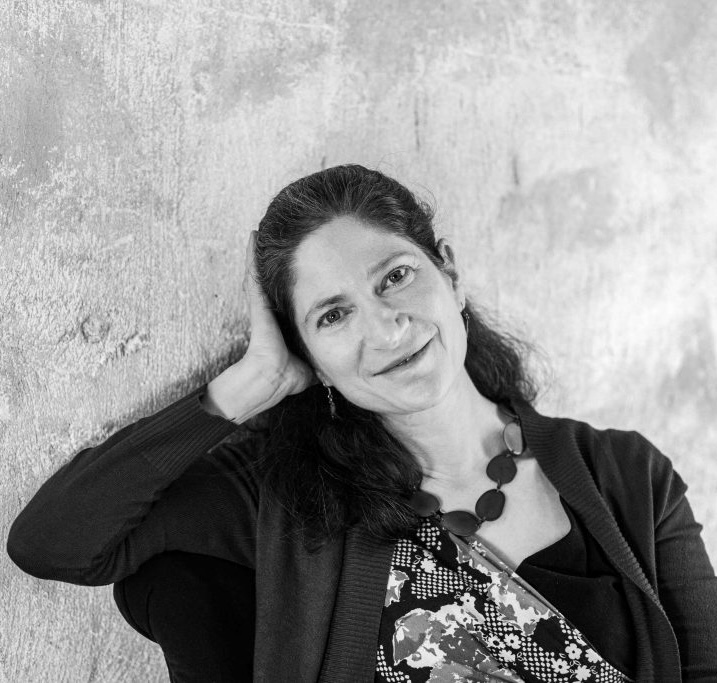
Julia Steinberger travelled through physics and industrial ecology before landing as an ecological economist. As Professor of Societal Challenges of Climate Change at the University of Lausanne, she explores the relationship between energy use and social outcomes, how much energy is required for decent living, and how provisioning systems can deliver better outcomes with less energy. She was a recipient of a Leverhulme Research leadership Award for her research project 'Living Well Within Limits', investigating how universal human well-being might be achieved within planetary boundaries, and currently co-leads the ERC Synergy Grant 'REAL: A Post-growth Deal', advancing scientific research for realising post-growth transformations. Julia was Lead Author for the IPCC’s 6th Assessment Report with Working Group 3.
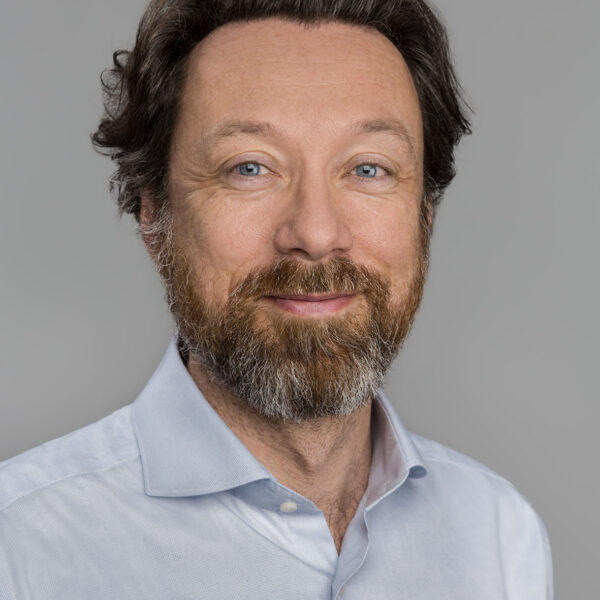
Michiel Schaeffer is co-founder and Chief Scientist at Climate Analytics. He has over 20 years of experience and expertise in climate modelling and climate impact science, energy-system analysis, mitigation and adaptation, and providing scientific advice at the climate-policy interface for both developing and developed countries. Michiel focuses on expanding Climate Analytics’ research and expertise, and helps bring together the scientific assessments with the policy applications across Climate Analytics. He is an author of, among others, UNEP Emissions and Adaptation Gap reports, World Bank Turn Down the Heat reports, the IPCC’s Fifth Assessment Report and many peer-reviewed scientific studies. He received his PhD in Dynamic Meteorology and is affiliated with the International Islamic University of Indonesia and the Copernicus Institute for Sustainable Development at Utrecht University.
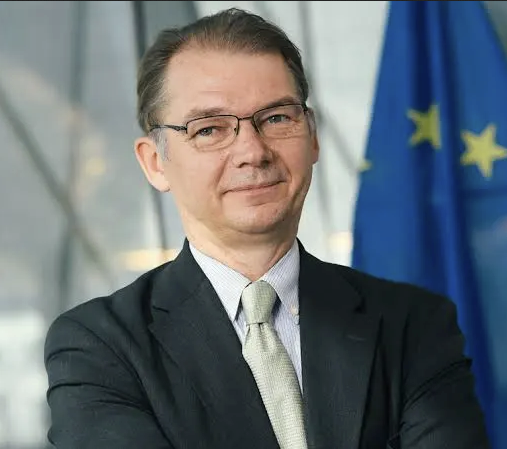
Philippe Lamberts is a Belgian Green politician who served as a Member of the European Parliament from 2009 to 2024. During his tenure, he helped secure an amendment to the Fourth Capital Requirements Directive that capped financial-sector bonuses, pushed for the 2015 parliamentary inquiry into tax rulings and preferential corporate treatment, and served on the Brexit Steering Group coordinating the EU’s response to the UK’s withdrawal. As co-President of the Greens/European Free Alliance group from 2014 to 2024, he played a central role in shaping the group’s economic, industrial and climate agenda at the European level. Since leaving Parliament, he has continued to work on EU climate and economic policy, including advising on efforts to meet the EU’s 2030 climate targets and advance climate neutrality by 2050.
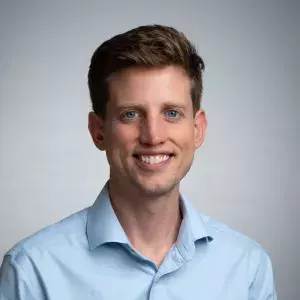
Ben Franta is a Senior Research Fellow in Climate Litigation at the Oxford Sustainable Law Programme and the founding director of the Climate Litigation Lab. His research focuses on applying rigorous methods to the practical challenges of climate litigation around the world and has been published in Nature Climate Change and The Guardian, among others, translated into 10 languages, and cited in the US Congressional Record. Ben holds a PhD in Applied Physics from Harvard University, a separate PhD in History from Stanford University, a JD from Stanford Law School, and an MSc in Archaeological Science from the University of Oxford. He is also a licensed attorney and a member of the State Bar of California.
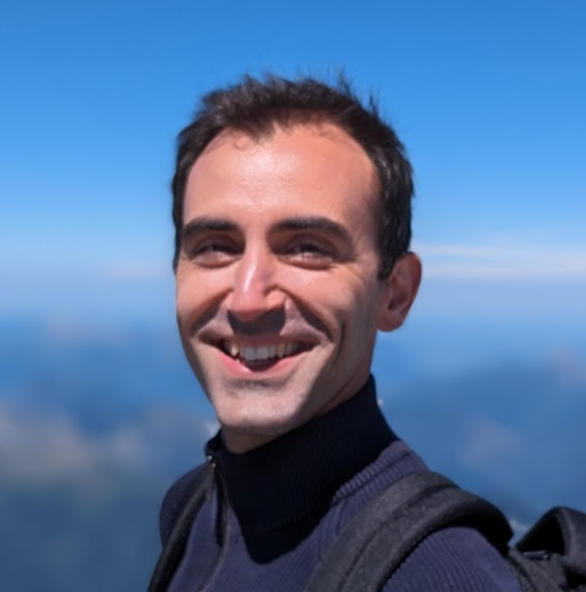
Vítor Vasconcelos is Associate Professor at the Computational Science Lab at the University of Amsterdam. He works on mathematical and computational models of human collective behavior to anticipate the intended and unintended consequences of interventions in complex social systems. Vítor co-leads the Polder initiative at the Institute for Advanced Study and coordinates the new Master’s program in 'Complex Systems and Policy' at the Institute for Interdisciplinary Studies. Previously, Vítor was a visiting research scholar at the Andlinger Center for Energy and the Environment and the Princeton Institute for International and Regional Studies, where he also did two postdocs after finishing his PhD in physics.
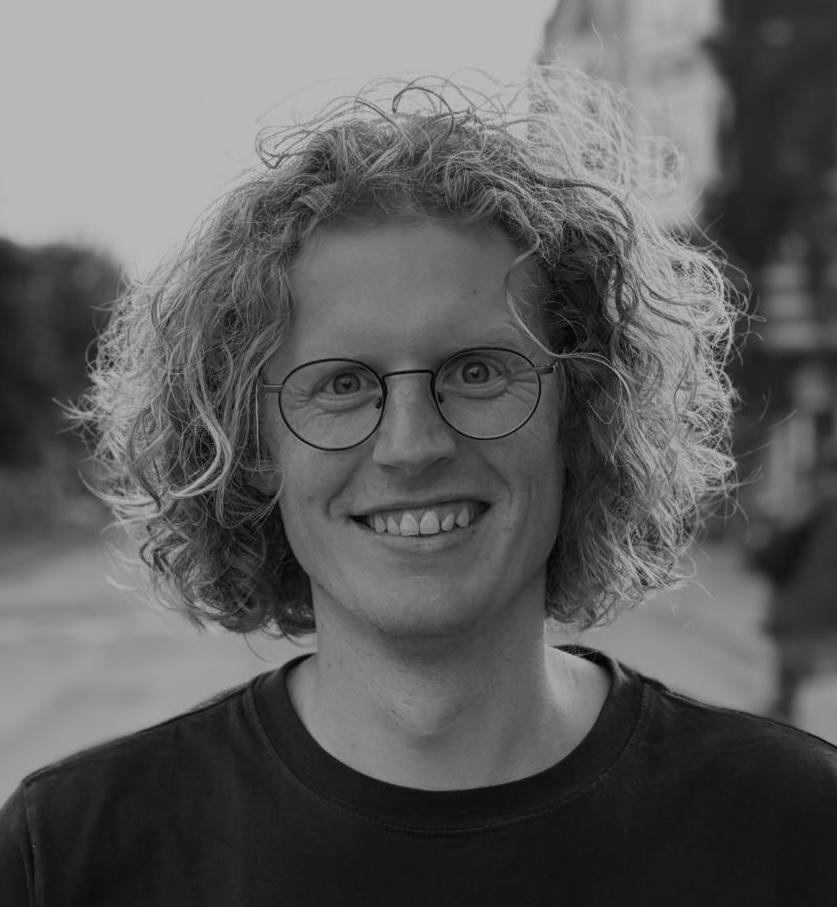
Kristian S. Nielsen is an Assistant Professor at the Department of Management, Society and Communication, Copenhagen Business School. His research focuses on the role of behavior change in mitigating climate change and conserving biodiversity. Kristian is particularly interested in how individual behavior changes can help limit climate change, in identifying effective, scalable behavior change interventions, and in increasing the feasibility of transformative climate initiatives. His research is rooted in quantitative environmental psychology and behavioral science, but with an interdisciplinary outlook. Before joining Copenhagen Business School, Kristian was a postdoctoral researcher in the Departments of Psychology and Zoology at the University of Cambridge.
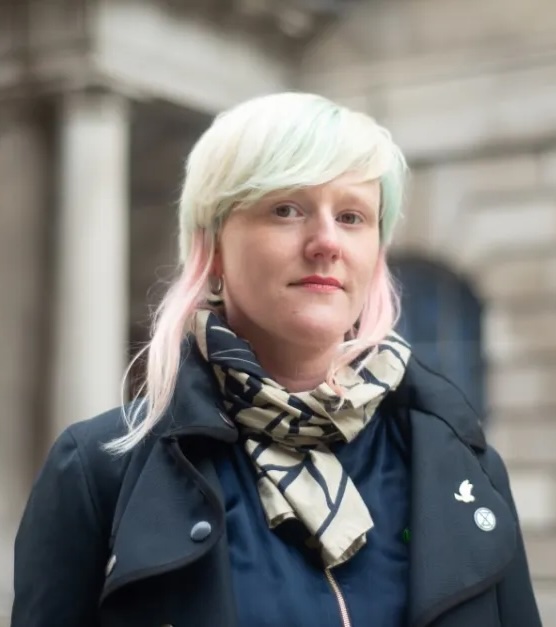
Clare Farrell is a designer and co-founder of Extinction Rebellion, devoting her creativity, energy, and occasionally her personal liberty to fight against climate and environmental breakdown. She coordinated the creative team that delivered the name, identity, and messaging that Extinction Rebellion set out with in 2018. Clare is currently a strategist at Absurd Intelligence, which is convening and catalyzing a network of interdisciplinary experts to create a mass arts and culture movement that unites us in a desire to build a better world. She is also involved with the Humanity Project, working to create a new democratic culture for the UK to face the 21st century.

Rachel Donald is the creator of Planet: Critical, the podcast and newsletter for a world in crisis with 34,000+ subscribers from 186 countries. Planet: Critical connects the dots of science, art, language, politics, media, philosophy and power to reveal the big picture. Rachel is also the founder of Planet: Coordinate, a documentary series investigating what to do for a world in crisis. Rachel's world exclusive investigations into climate corruption have been published in The Guardian, Al Jazeera, Mongabay, The Intercept, Byline Times and the New Republic.
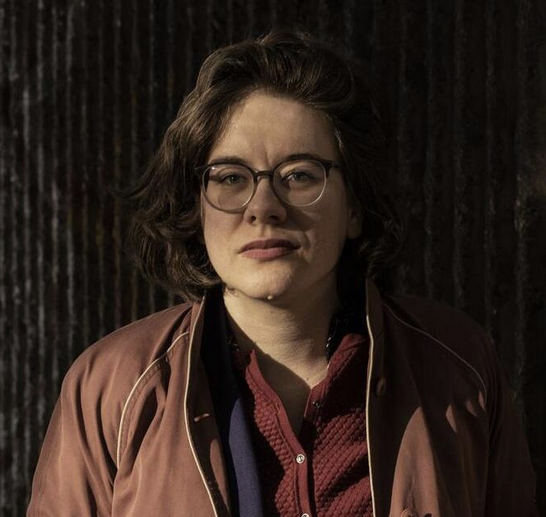
Harriët Bergman is a philosopher, researcher, and activist working on climate justice, political emotions, and social change. She completed her PhD at the University of Antwerp, where her research examined the role of privilege in climate justice activism, with a focus on emotions, narratives, strategies, and radicality. Her research interests include political emotions, ecofascism, activism, and social change. She is currently working on a popular philosophy book on different conceptions of violence for ISVW Uitgeverij. She is a member of Climate Obstruction NL, a network of researchers and academics investigating the fossil fuel industry’s ongoing efforts to maintain business as usual and obstruct meaningful climate action. In addition, she works as a coordinator, coach, and workshop developer at Stroomversnellers, a trainers’ collective that supports social movements.
ACSCC 2025
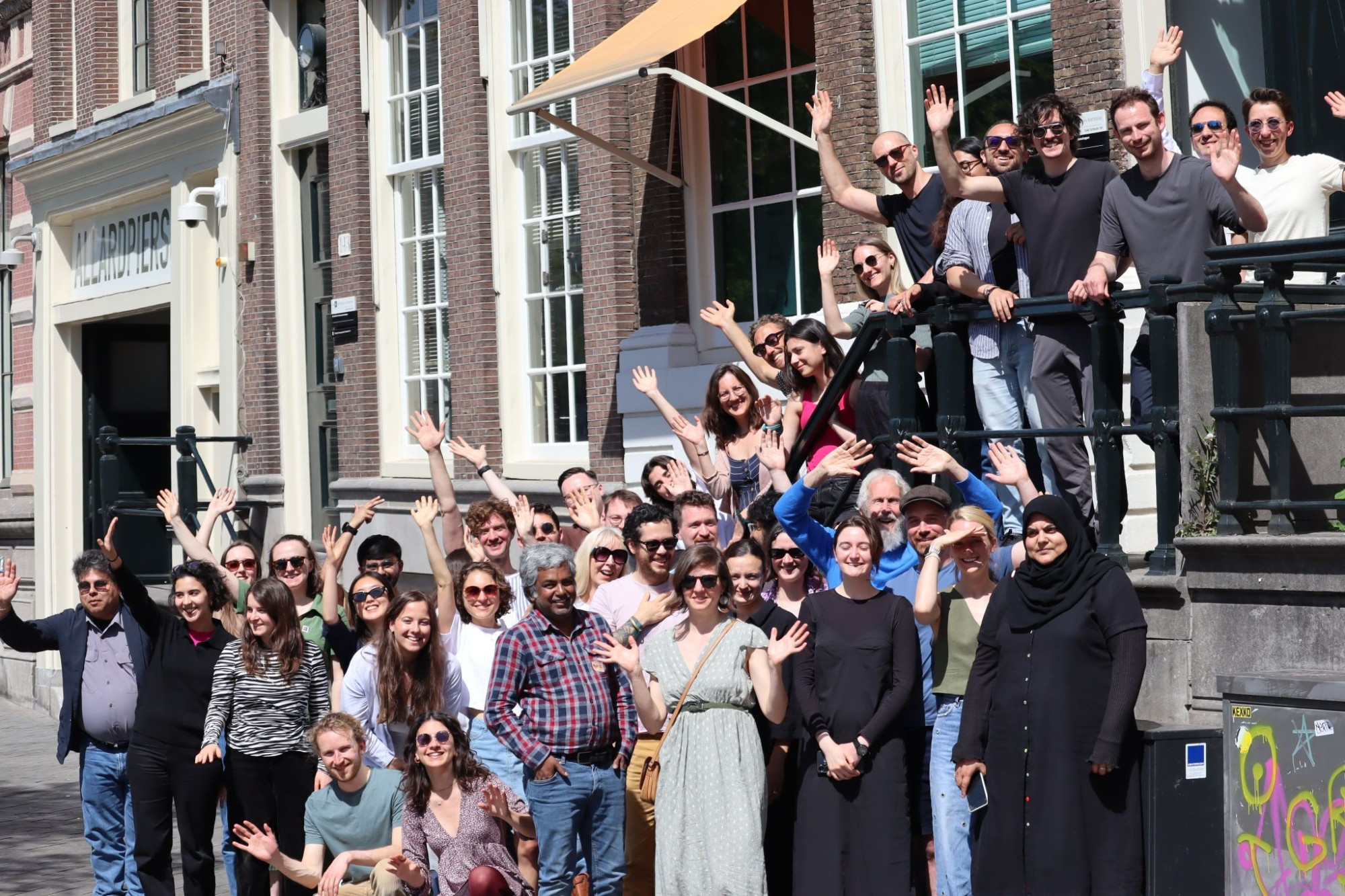
Group Photo
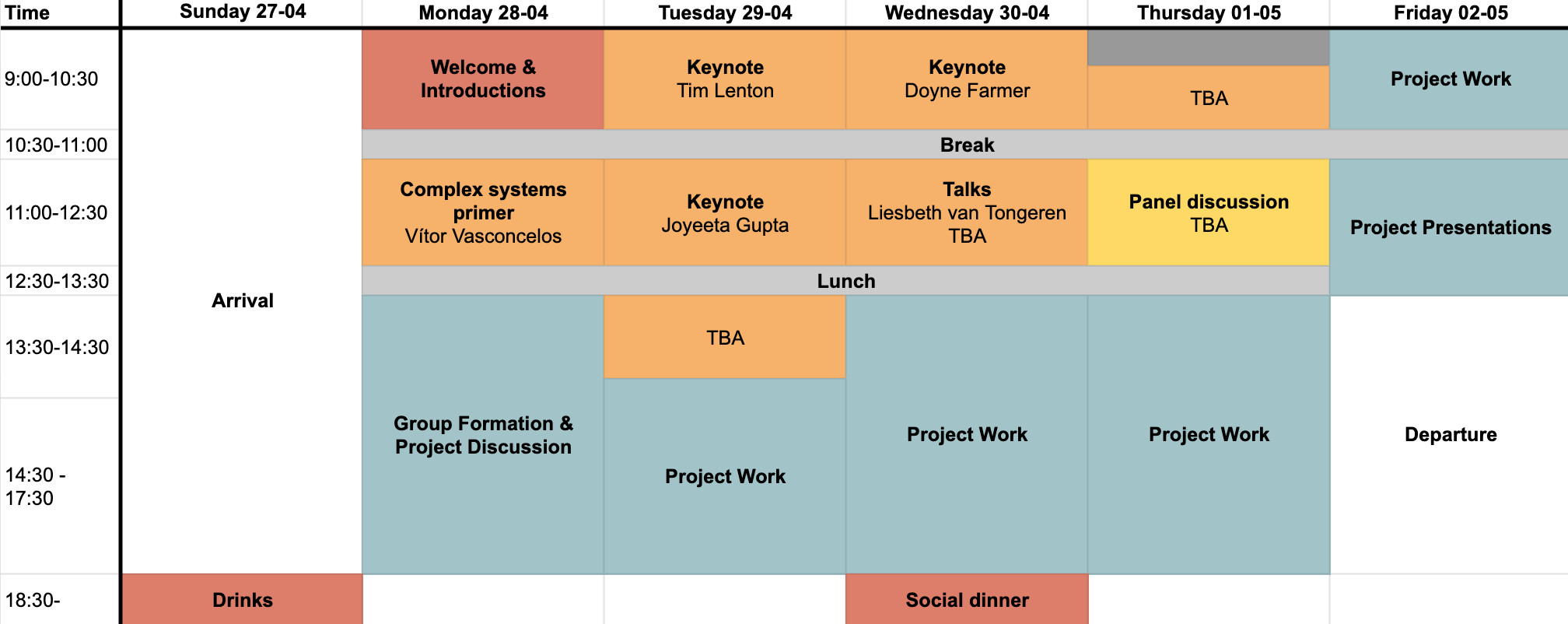
Program
Projects
Projects included analyzing insurance risks caused by impacts of climate change and how they can be leveraged for climate action, evaluating an updated framework for evaluating (EU) sustainable investments, developing a framework for analyzing climate change security risks, creating an agent based model of heat pump adoption with an illustration case in Switzerland, the various impacts of the super rich on the climate crisis, disinformation campaigns with the example of conspiracy theories around the 10-minute city, and analyzing commodity-based versus nature-based governance models for natural areas.
Speakers
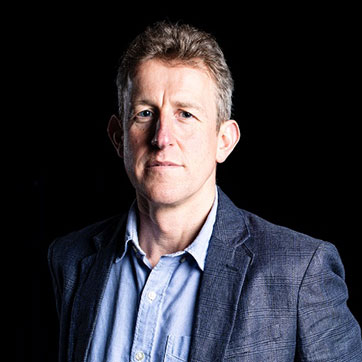
Tim Lenton is Chair in Climate Change and Earth System Science at the University of Exeter. His reading of Jim Lovelock’s books on Gaia, when he was an undergraduate, ignited his passion for studying the Earth as a whole system, forming the foundations of his research to date. Tim has made fundamental contributions to the study of climate tipping points and Earth system science more broadly, and his integrated view of our living planet is captured in his books Revolutions That Made The Earth and Earth System Science: A Very Short Introduction. In recent years, Tim has shifted his focus to identifying positive tipping points towards sustainability, and is currently on sabbatical to write a book on the subject. He is the lead author of the Global Tipping Points report.
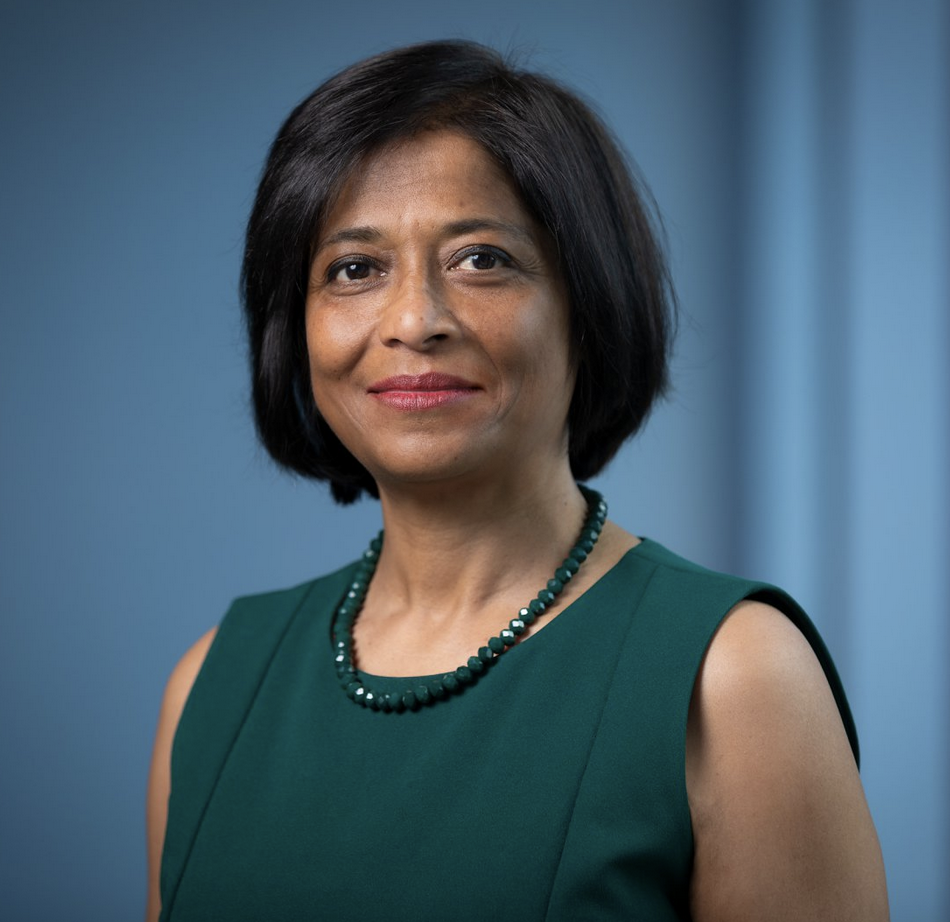
Joyeeta Gupta is Professor of Environment and Development in the Global South at the University of Amsterdam and IHE Delft Institute for Water Education. Her work centers on climate justice, equity, and sustainable development, with a particular focus on the impacts of climate change on vulnerable populations and ecosystems. Joyeeta’s research is deeply influenced by her background in law and her commitment to addressing power imbalances in global environmental governance. She has written four books on climate change and global governance and was a lead author on the fourth IPCC report. Currently, she co-chairs the Earth Commission, a body that aims to define safe and just boundaries for a thriving planet. Joyeeta was a recipient of the "Dutch Nobel Prize" (the Spinoza Prize) in 2023.
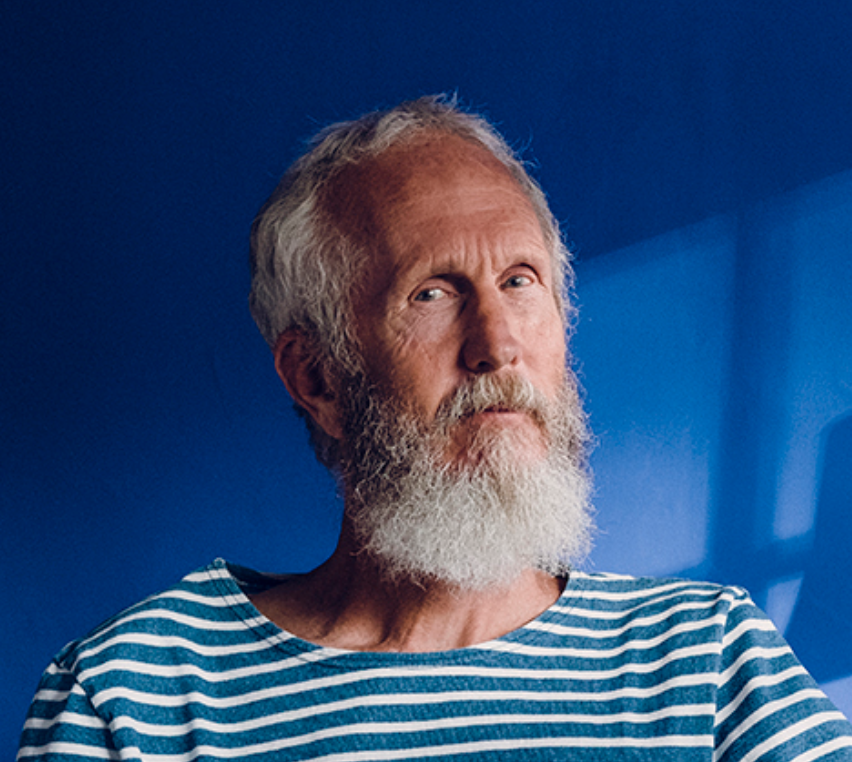
Doyne Farmer is Director of the Complexity Economics programme at the Institute for New Economic Thinking at Oxford University, External Professor at the Santa Fe Institute, and Chief Scientist at Macrocosm. He has made fundamental contributions to chaos theory and is renowned for his pioneering work in complexity economics, financial stability, and technological progress, especially as they relate to a low-carbon future. As a graduate student, he built the first wearable digital computer to successfully beat the game of roulette and later founded Prediction Company, one of the first quantitative automated trading firms. Doyne’s book, Making Sense of Chaos: A Better Economics for a Better World, published in 2024, synthesizes his journey from chaos theory to building innovative frameworks for a more resilient and equitable economy.
Vítor Vasconcelos is Assistant Professor at the Computational Science Lab at the University of Amsterdam. He works on mathematical and computational models of human collective behavior to anticipate the intended and unintended consequences of interventions in complex social systems. Vítor co-leads the Polder initiative at the Institute for Advanced Study and coordinates the development of a new Master’s program in 'Complex Systems and Policy' at the Institute for Interdisciplinary Studies. Previously, Vítor was a visiting research scholar at the Andlinger Center for Energy and the Environment and the Princeton Institute for International and Regional Studies, where he also did two postdocs after finishing his PhD in physics.
Ben Franta is a Senior Research Fellow in Climate Litigation at the Oxford Sustainable Law Programme and the founding director of the Climate Litigation Lab. His research focuses on applying rigorous methods to the practical challenges of climate litigation around the world and has been published in Nature Climate Change and The Guardian, among others, translated into 10 languages, and cited in the US Congressional Record. Ben holds a PhD in Applied Physics from Harvard University, a separate PhD in History from Stanford University, a JD from Stanford Law School, and an MSc in Archaeological Science from the University of Oxford. He is also a licensed attorney and a member of the State Bar of California.
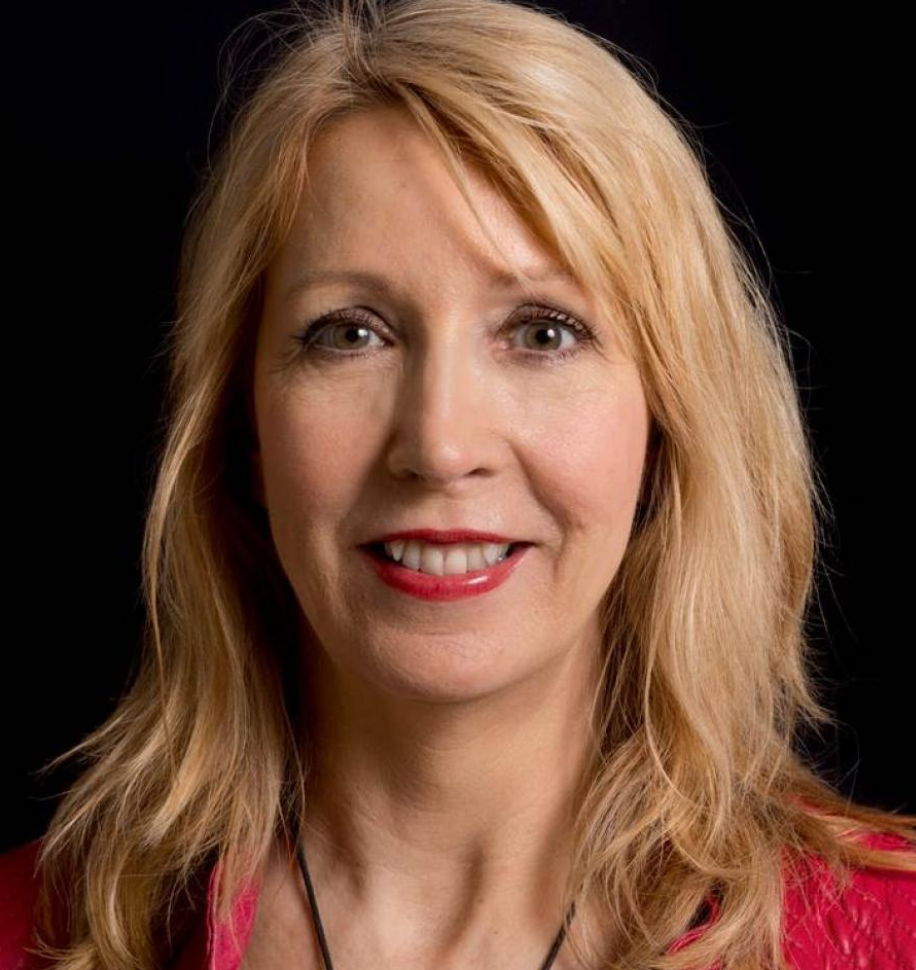
Liesbeth van Tongeren is a prominent Dutch politician and environmental advocate known for her commitment to sustainability and social justice. Formerly a member of the Dutch House of Representatives for the GreenLeft party, Liesbeth focused on climate policy, energy transition, and environmental law. With a background in law and extensive experience in environmental organizations, including as a former director of Greenpeace, she has been instrumental in shaping progressive climate policies in the Netherlands. After her time in Parliament, Liesbeth continued her advocacy as an alderperson in The Hague, where she worked on local initiatives to promote energy efficiency, green urban development, and social inclusion.
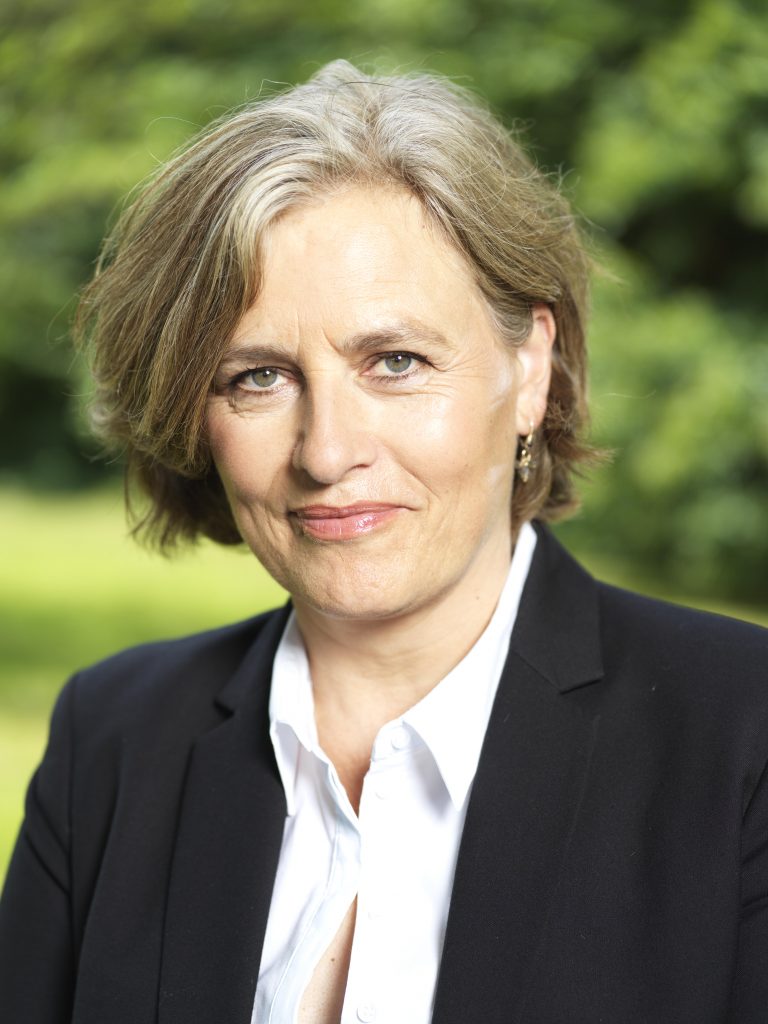
Heleen Ekker is a leading Dutch climate journalist. Having worked as a senior editor for NOS, the largest public broadcaster in the Netherlands, for over twenty years, Heleen has been instrumental in bringing complex environmental issues to the forefront of public debate in the Netherlands. Currently, Heleen works as a journalist and climate specialist at RTL Nieuws. In addition to her journalism, Heleen is the co-author of influential books such as De Gaskolonie, which explores the challenges of the Netherlands' reliance on natural gas, and Gevoelstemperatuur, which examines the societal impacts of climate change. Through her work, Heleen has established herself as a trusted voice in climate communication, translating scientific insights into accessible and actionable information for a broad audience.
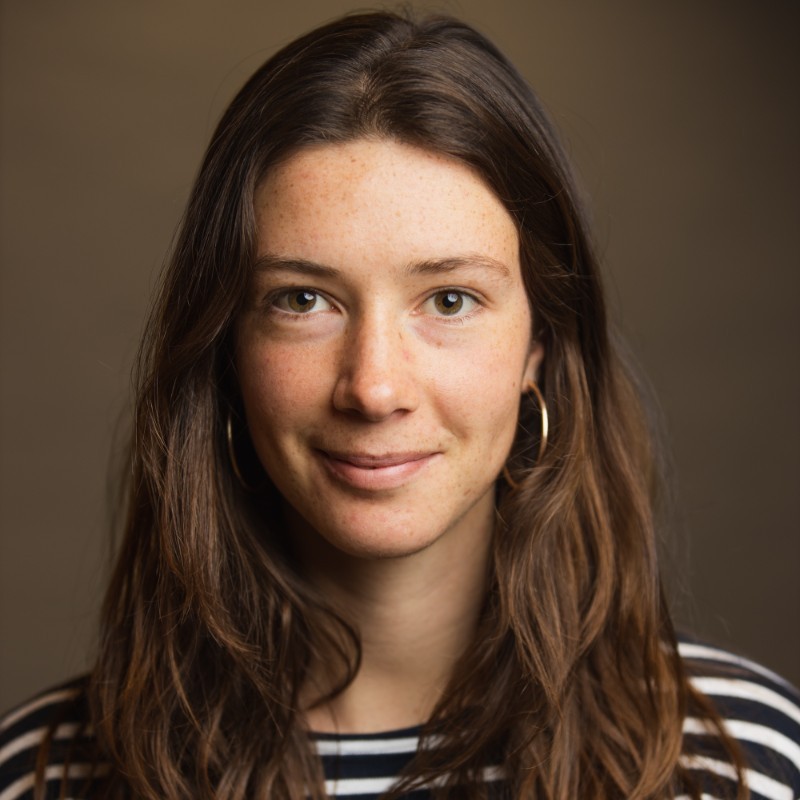
Pippi van Ommen is a Dutch climate activist and community organizer dedicated to social and environmental justice. She currently works as a community worker at Stichting Eigenwijks in Amsterdam Nieuw-West, where she focuses on involving local communities in social initiatives. Pippi is also an active member of Extinction Rebellion, where she was responsible for media and communications for many years. Amidst a general lack of progress on climate change, Pippi recognised the need for approaches beyond - or in addition to - civil disobedience to address our deeply interconnected crises. She went on to co-found Deep Canvassing Nederland, a movement that promotes change through meaningful conversations on divisive issues, currently focusing on migration.
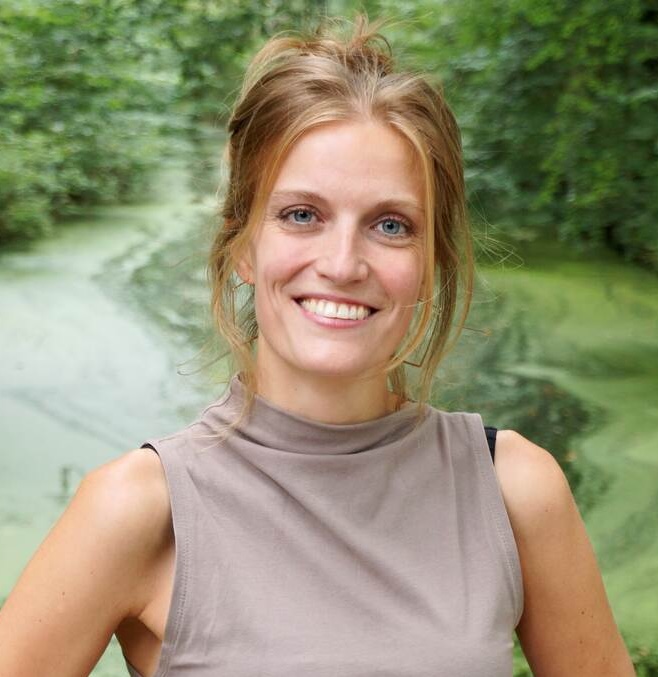
Lydia Baan Hofman is a climate philosopher and advisor at the Netherlands Scientific Climate Council. This council provides solicited and unsolicited advise to government and parliament on climate policy. Before working as an advisor, Lydia wrote her dissertation in the field of (feminist) science and technology studies and social philosophy. She has a passion for education and bringing philosophy to a broader audience.
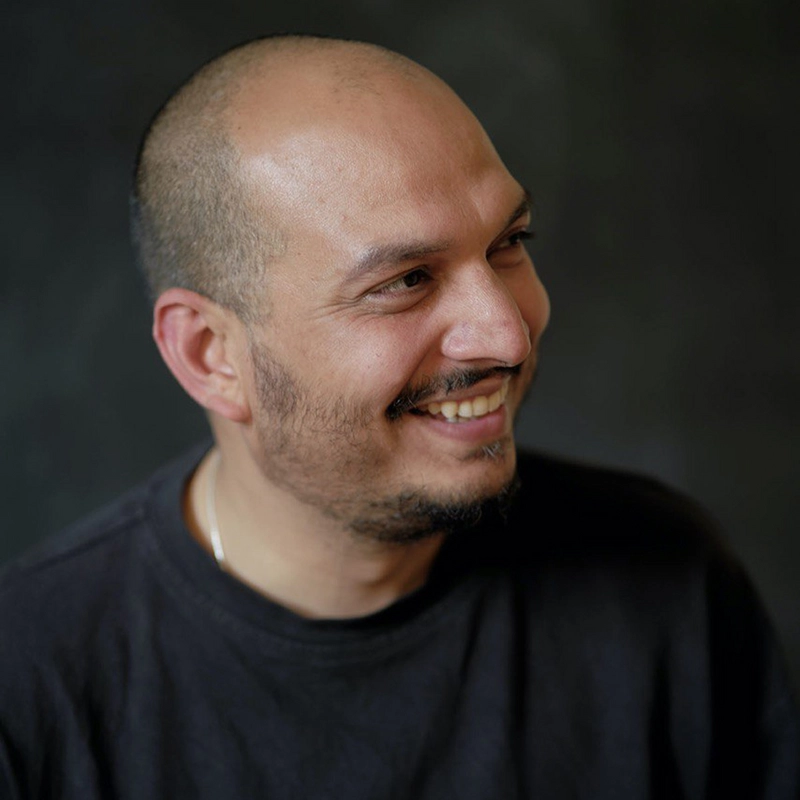
Agat Sharma is an artist, educator and theatre maker. Agat is currently engaged in a long term research about the history of cotton conducting theatrical experiments exploring cotton's pre-colonial legacy, colonial extractivism and the ongoing agrarian crisis in India. His work prominently features themes examining the emergence, evolution and erasure of the relationship between land and the body. He works with an expanded notion of what a song and a story can be and employs them as tools for evoking collective postcolonial imaginaries. Agat works between the Netherlands and India.
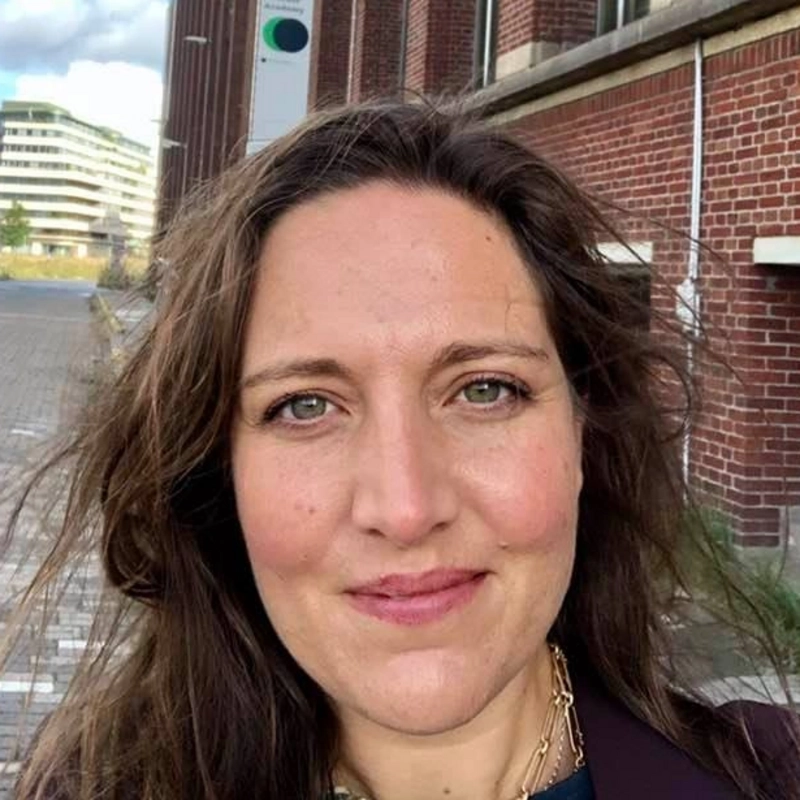
Laura Cull Ó Maoilearca is Professor of Performance Philosophy at the University of Amsterdam and Lector for the Academy of Theatre and Dance, Amsterdam University of the Arts. She jointly leads the artistic research program Climate Imaginaries at Sea which speculates possible futures in and around water through various artistic and participatory research practices. She is also an alliance lead for the emerging consortium Imagining Climate Justice in Minor Key with over 100 partners and a member of a cross-institutional group working to get Regenerative Art Education on the national sector agenda for higher professional education in the arts (KUO). Her own research focuses on transformative encounters between performance, philosophy and nonhuman animals including in her latest book: Interspecies Performance (2024) co-edited with Florence Fitzgerald-Allsopp.
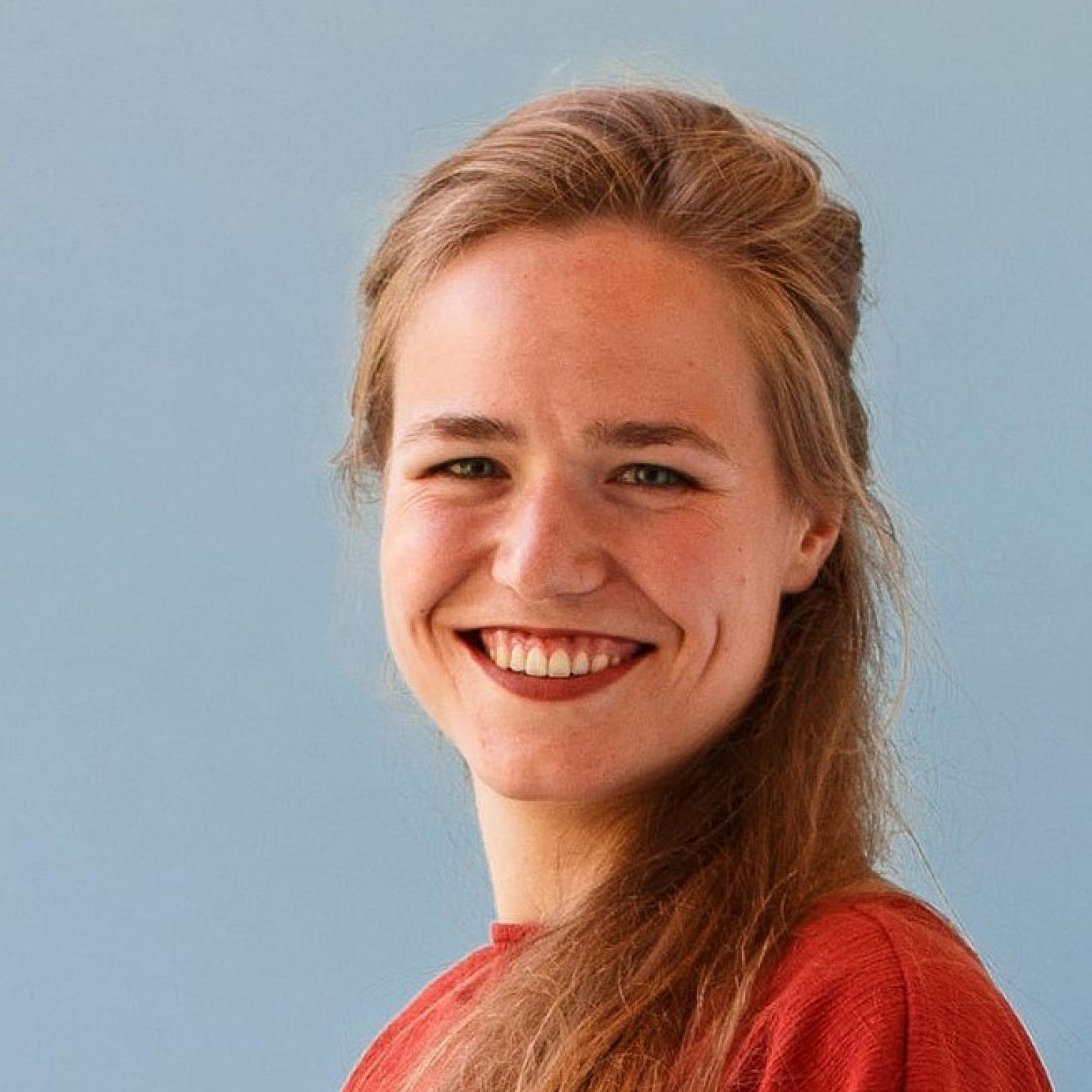
Erika van der Linden holds a Master's degree in Systems Engineering and is doing her PhD at Radboud University on how firms are (and are not) contributing to the sustainable development goals. She also works as a policymaker at the Ministry for Economic Affairs and Climate, where she focuses on the strategy for the Dutch energy transition, called the Dutch National Energy Plan ('nationaal plan energiesysteem').
ACSCC 2024
Group Photo
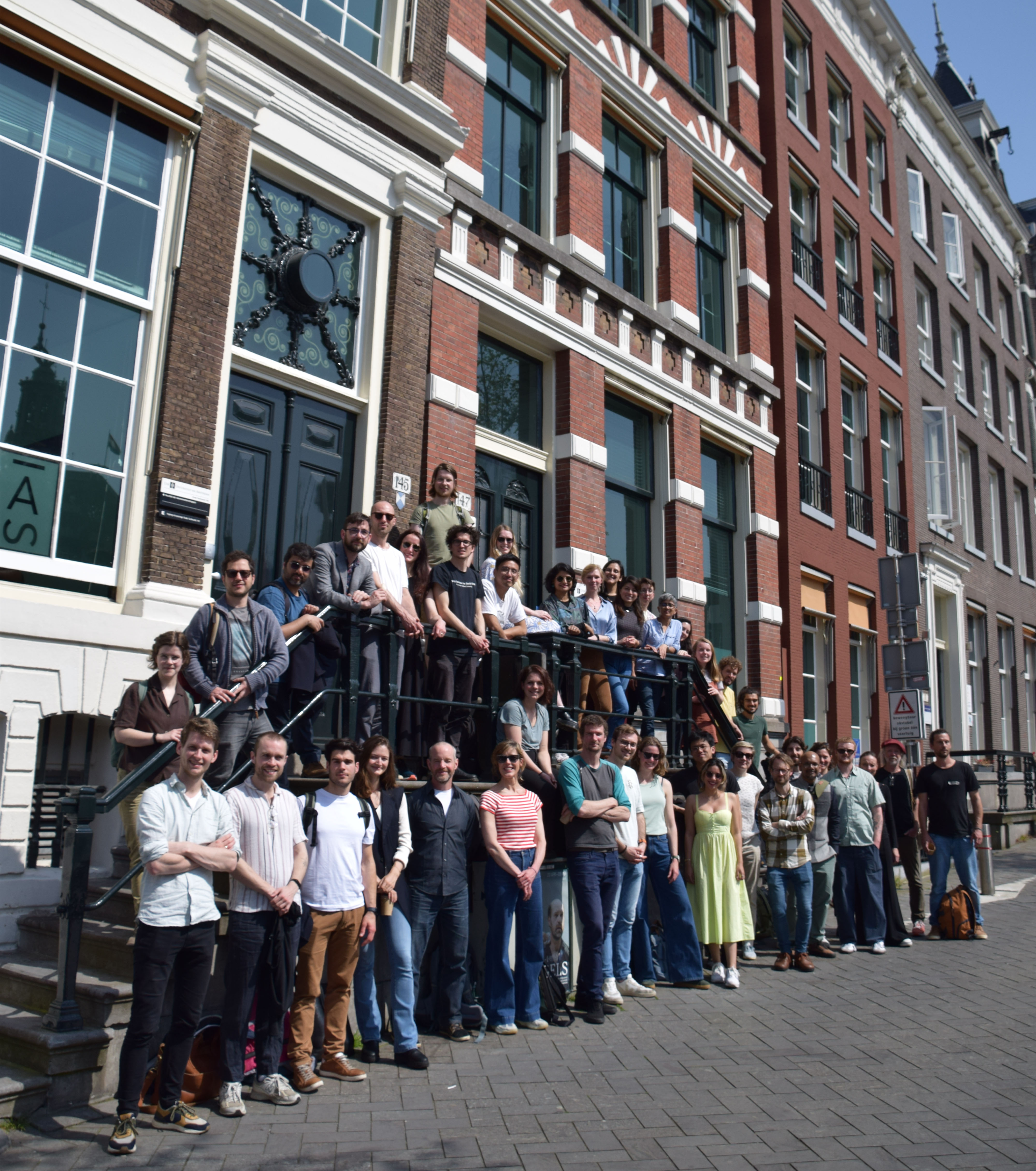
Program

Projects
Projects included mapping the pillars of support for the fossil fuel industry in order to develop effective ways to ‘defeat the fossil Goliath’, analyzing what the media emphasizes (e.g. technological solutions or climate justice) when reporting on the IPCC reports, trying to better understand the impact of celebrities such as Taylor Swift taking climate action, ‘hacking’ the food system to become more sustainable, building a web app that allows citizens to understand the carbon footprint of various activities in the city they live in, and conceptualizing the good life and how to achieve it.
Speakers ACSCC 2024
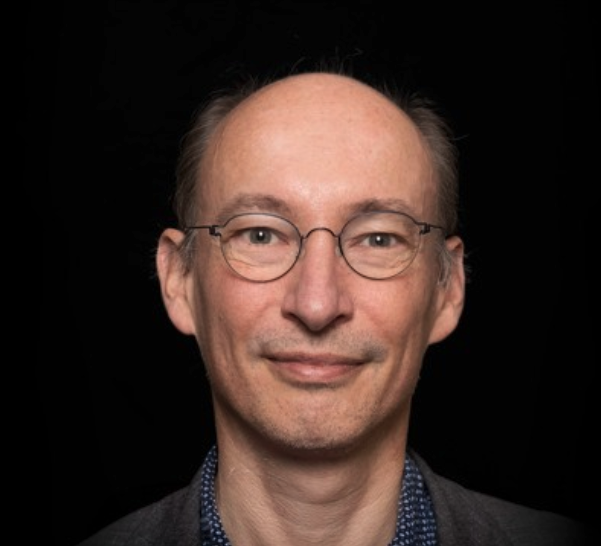
Detlef van Vuuren leads the IMAGE integrated assessment model team at PBL and is Professor of Integrated Assessment of Global Environmental Problems at Utrecht University. Detlef had a coordinating role in the development of the Representative Concentration Pathways (RCPs) and Shared Socio-economic Pathways (SSPs), scenarios heavily relied on in the IPCC reports. He serves on the board of the Integrated Assessment Modeling Consortium (IAMC), the EAT Lancet Commission, the Earth Commission, and the Global Carbon Project. Detlef has published over 460 articles in leading scientific journals and was recently named by Reuters as the world's fourth most influential climate scientist.
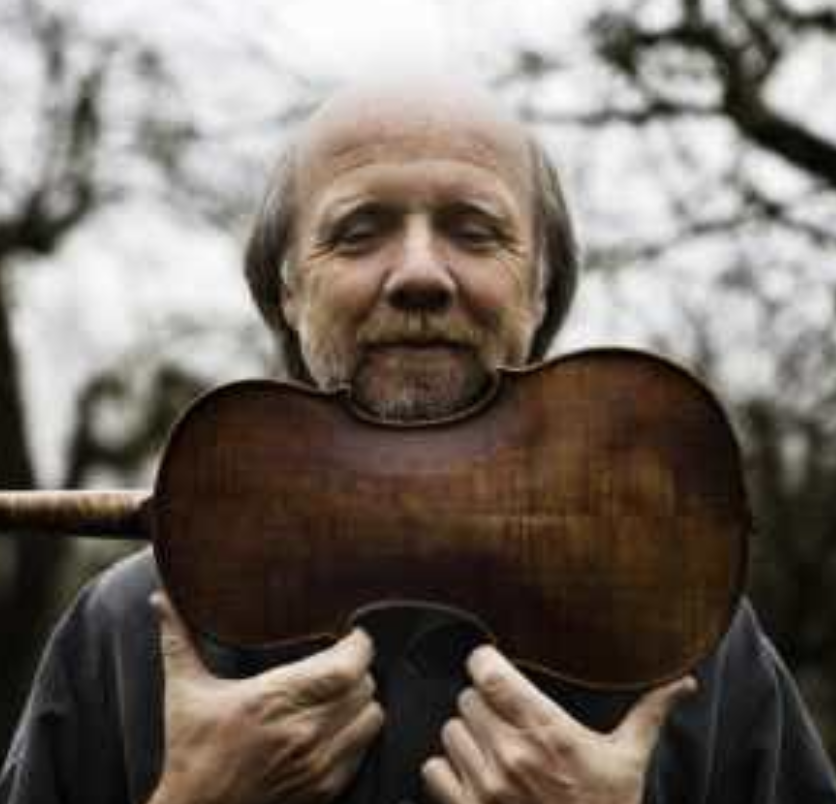
Marten Scheffer is Professor of Aquatic Ecology and Water Quality Management at Wageningen University. Marten has made fundamental contributions to the study of the stability and resilience of complex systems and pioneered the study of early warning signals to anticipate critical transitions in both natural and social systems. He is one of the most highly cited ecologists, the author of the seminal book Critical Transitions in Nature and Society, and recipient of the "Dutch Nobel Prize" (the Spinoza Prize). He co-founded the South American Institute for Resilience and Sustainability Studies and is also an acclaimed musician.

Irene Monasterolo is Professor of Climate Finance at the Utrecht University School of Economics, where she works on the role of finance in climate change mitigation and adaptation. Irene has developed methodological approaches to analyse the macro-financial criticality of climate risks and the role of green finance policies in the low-carbon transition. Her research on a climate stress tests and stock-flow consistent macro-economic models with heterogeneous, interacting agents has been published in journals such as Science and Nature Climate Change and applied by international financial institutions such as the World Bank, the Monetary Authority of Singapore, the European Banking Authority, and national central banks. She is also an editor of the journal Ecological Economics.

Aarti Gupta is an Professor of Global Environmental Governance at Wageningen University. She works on global environmental and climate governance, with a focus on transparency and accountability and the challenges of anticipatory governance of novel technologies (such as solar geo-engineering). She is a member of the Scientific Steering Committee of the Earth System Governance (ESG) research alliance and co-leads the international REIMAGINE consortium project on anticipatory climate governance in vulnerable regions of the global South. Aarti holds a PhD from Yale and has done postdoctoral research at Columbia and Harvard University in political science, international relations, and science and technology studies. She also worked outside of academia at the United Nations Development Programme in New York, Oxfam-Novib in the Hague, and Transparency International in Berlin.
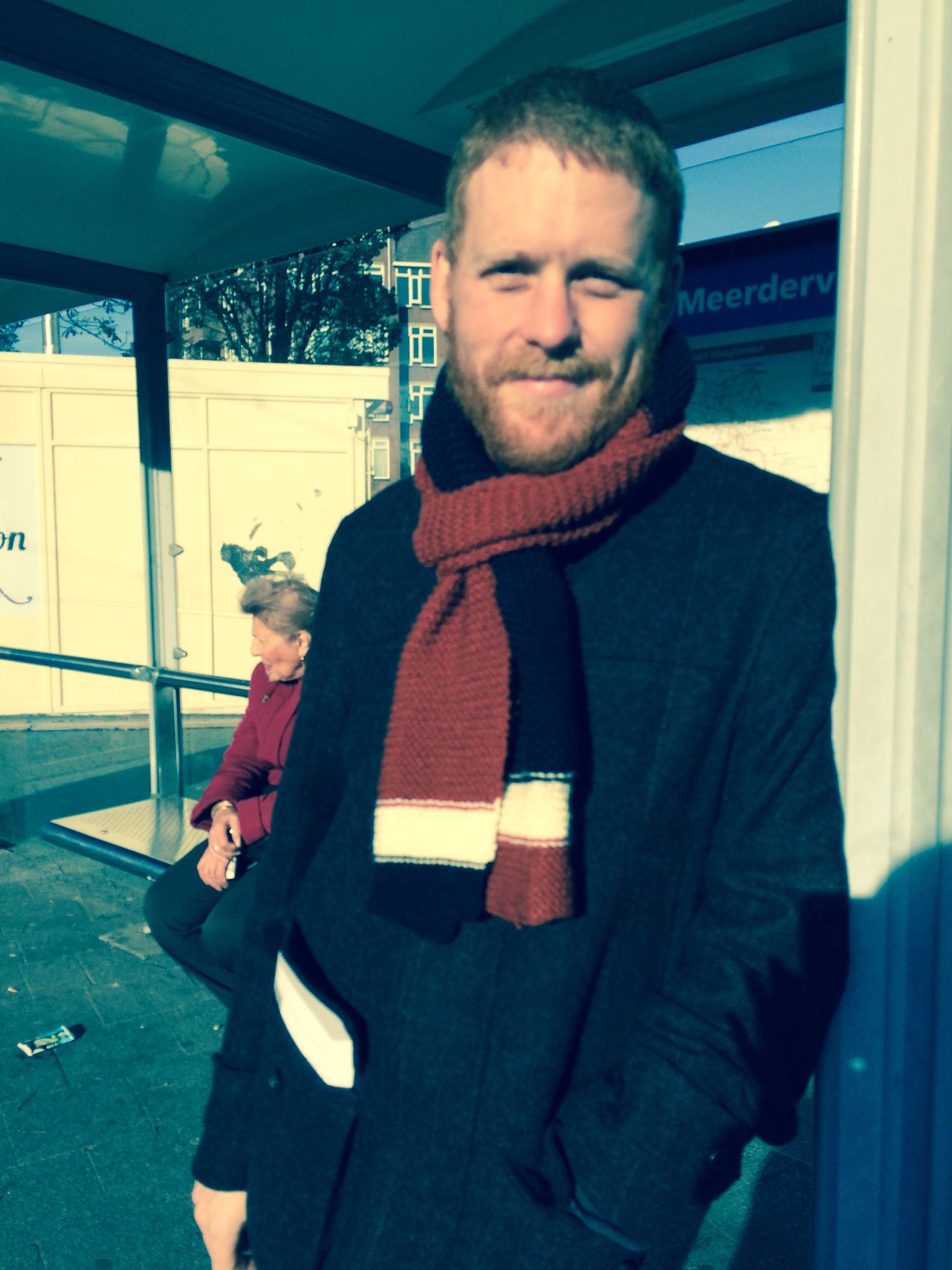
Paul Behrens is an Associate Professor in Environmental Change at Leiden University. His research on energy, food, land use, and climate change has appeared in scientific journals and media outlets such as The New York Times, Scientific American, BBC, Nature Sustainability, Nature Energy, Nature Food, and PNAS. A physicist by training, Paul is the author of the popular science book The Best of Times, The Worst of Times: Futures from the Frontiers of Climate Science and has worked in industry, NGOs, and academia. He has provided expert scientific advice to the New Zealand Government and the British Government.
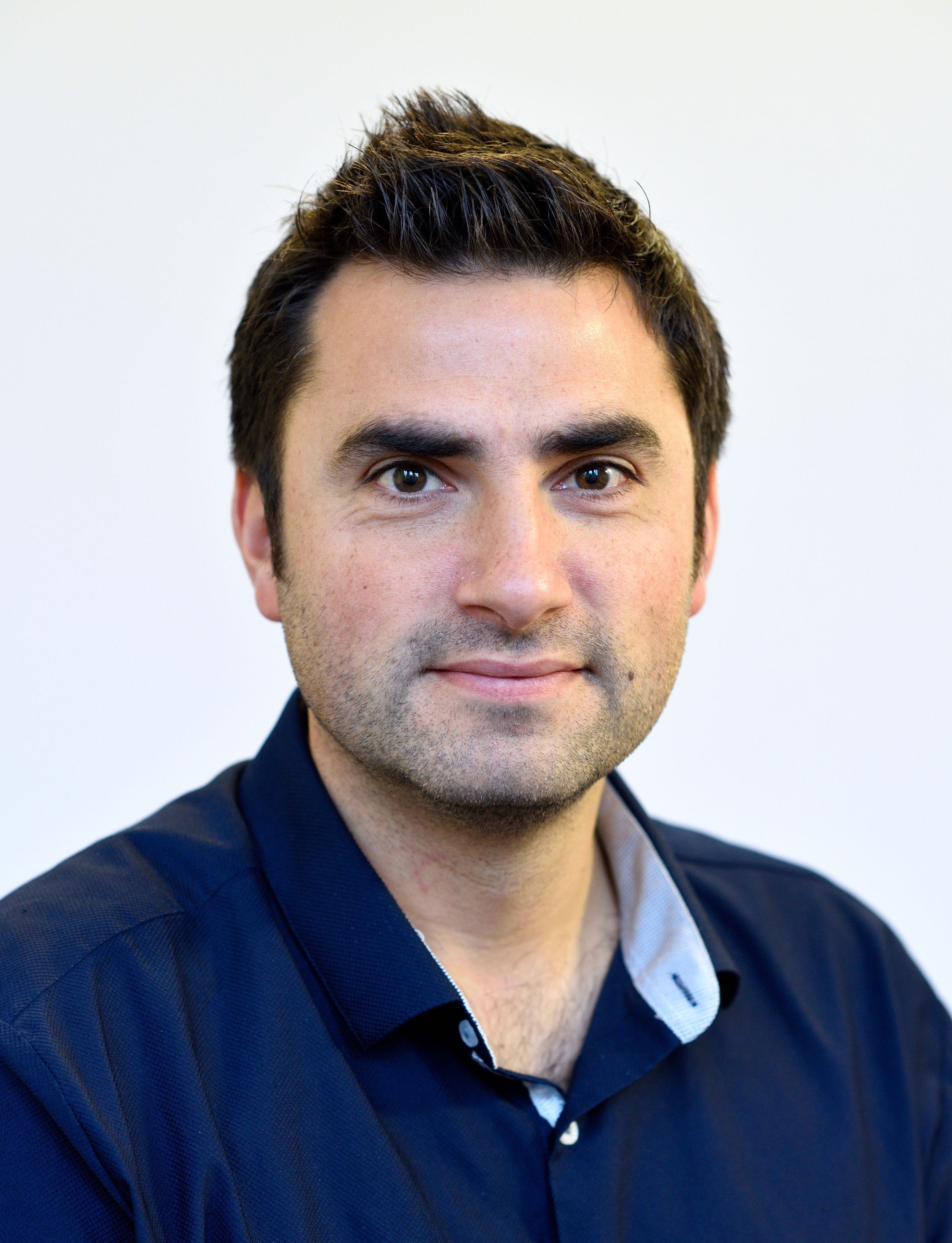
Oscar Berglund is a senior lecturer in international public and social policy at the University of Bristol. His research looks at political contestation of global processes like neoliberalisation, austerity and climate change. This includes both non-violent contestation by social movements and parliamentary forms of contestation. His research draws on a historical materialist theoretical framework with a focus on political agency and contestation. He is particularly interested in how social movements use civil disobedience to achieve their aims and how they justify their law-breaking.
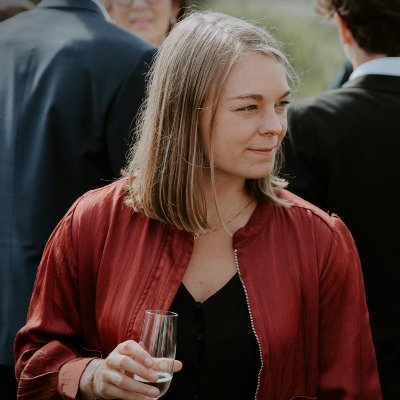
Marthe Wens is an Assistant Professor at the Institute for Environmental Studies at the Vrije Universiteit Amsterdam. Her research concerns water security and societal impacts, with a specific focus on modelling the intertwined nature of drought risk and human adaptive behaviour. Marthe uses machine learning to create risk profiles to support disaster risk reduction efforts, and agent-based models to evaluate the feedbacks between drought events, food security, and adaptation. She is part of several United Nations programs and very active with Scientist Rebellion.
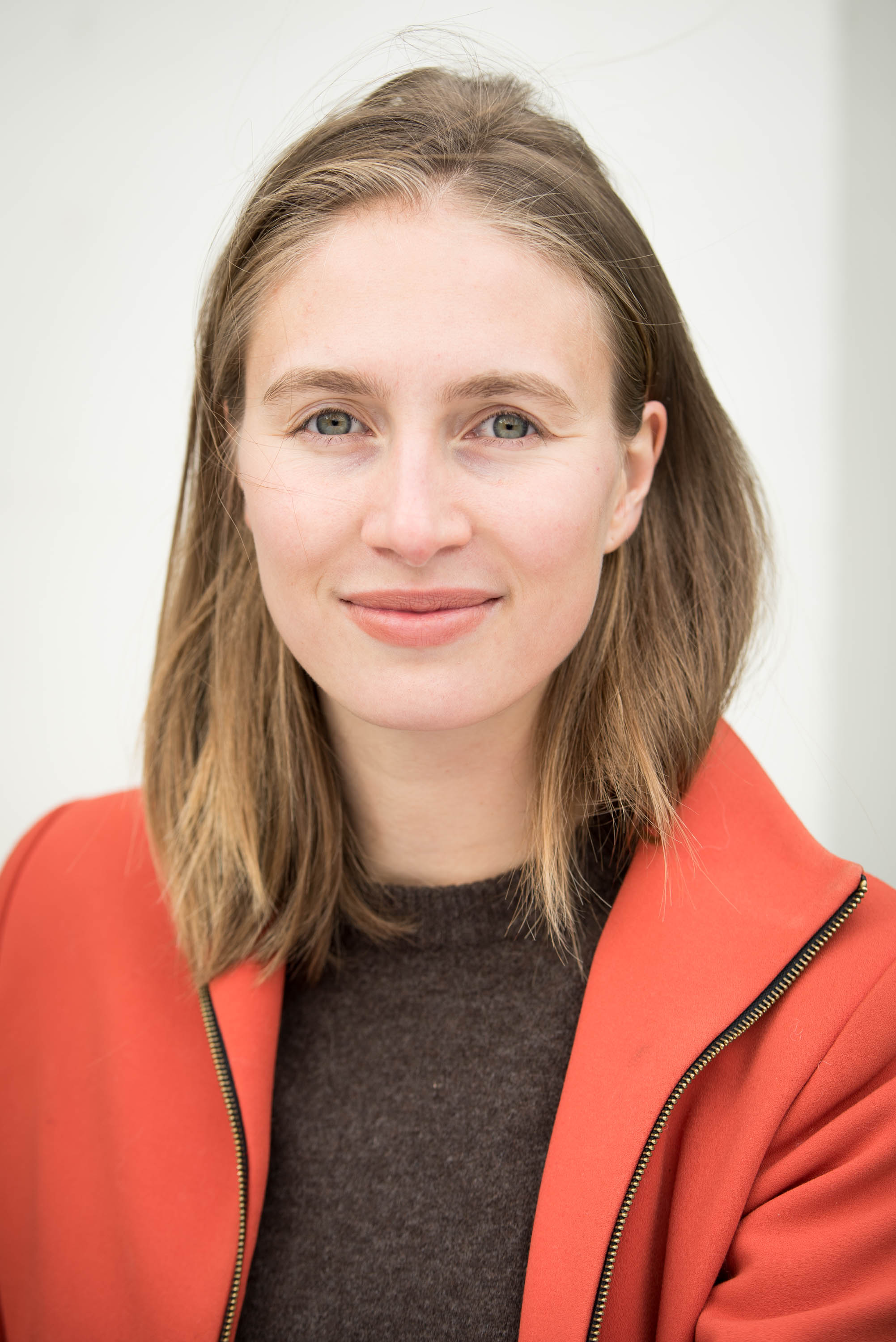
Anne Kervers researches the link between money creation and climate finance as a PhD candidate at the University of Amsterdam. Prior to her PhD she worked at Triodos Bank. She is a board member of the Green Art Lab Alliance and on the advising committee of Kapitaloceen. Anne has been active in Extinction Rebellion in different roles since 2019.

Ernst-Jan Kuiper obtained a Master's degree in Climate Physics in 2014, after which he continued with a PhD about the dynamics of the Greenland ice Sheet, both at Utrecht University. He currently works at Milieudefensie on the appeal against oil giant Shell and other future lawsuits against major polluters.
Erika van der Linden holds a Master's degree in Systems Engineering and is doing her PhD at Radboud University on how firms are (and are not) contributing to the sustainable development goals. She also works as a policymaker at the Ministry for Economic Affairs and Climate, where she focuses on the strategy for the Dutch energy transition, called the Dutch National Energy Plan ('nationaal plan energiesysteem').

Esmé Fantozzi is the founder of AklysTransform, a consultancy with the mission of enabling and accelerating the transition to sustainable energy, especially in hard-to-decarbonize sectors. Esmé worked internationally, and for almost 20 years, in the oil and gas sector. She held central corporate roles, and frontline ones in operated ventures and as a secondee in non-operated ventures, working and living in Europe, the United States, the Middle East, and Asia. She holds a Laurea in Physics from Padua University and a Master of Engineering from the Massachusetts Institute of Technology.
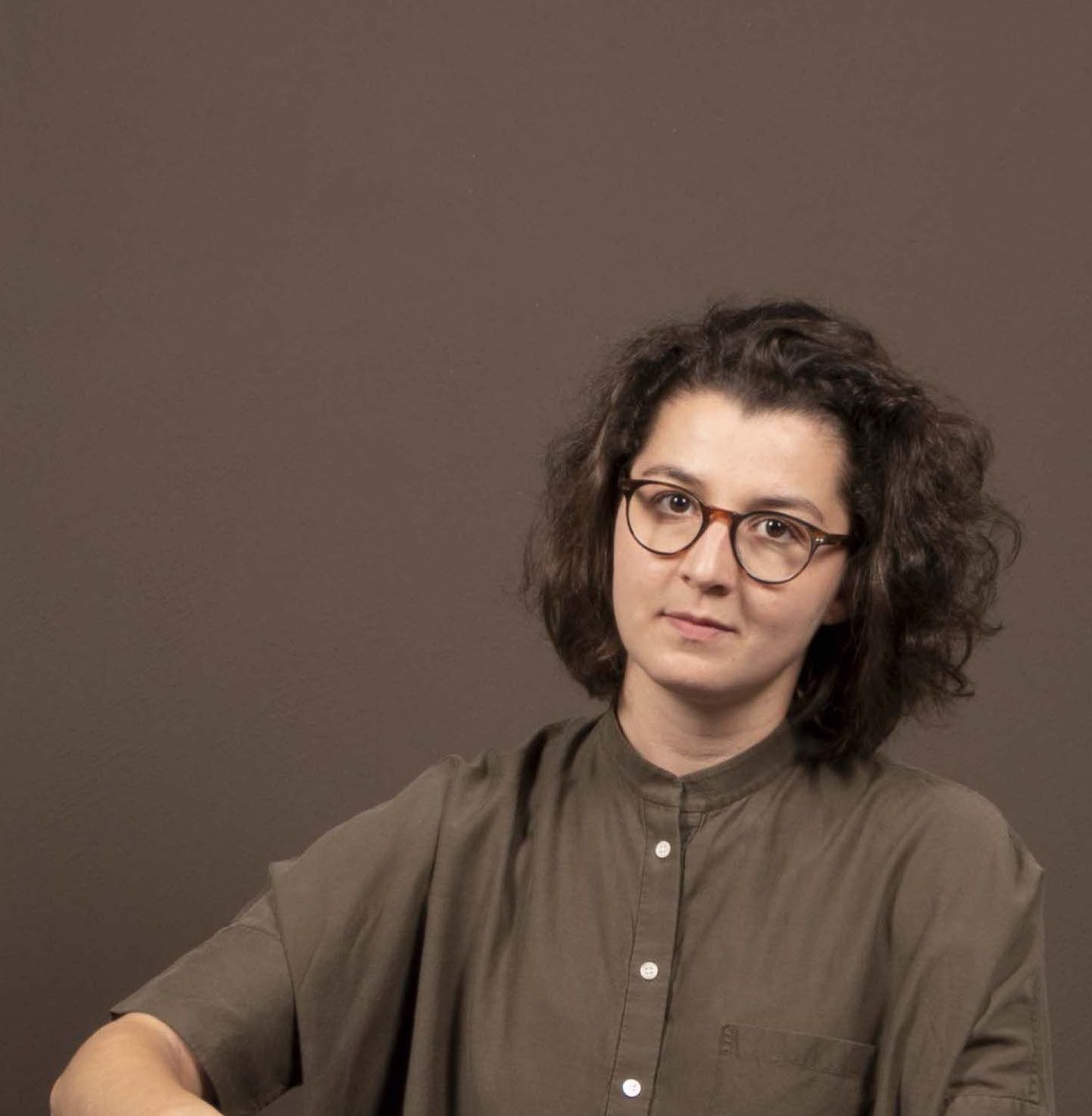
Kornelia Dimitrova is an architect, researcher, and writer based in Rotterdam and Eindhoven. Over the years, she has taught, written, spoken, designed, advised, and advocated for the value of caring and ecological imaginations in enabling spatial and social transformations. In 2021, she authored the Playbook for Healing environments, a spatial strategy for one of the largest and oldest mental health estates in The Netherlands. In 2018, she co-founded Foundation We Are and currently leads the Collaborations for Future program, focused on making the collaborations between designers and climate scientists more effective and sustainable.
Rachel Donald is the creator of Planet: Critical, the podcast and newsletter for a world in crisis with 11,000+ subscribers from 163 countries. Planet: Critical connects the dots of science, art, language, politics, media, philosophy and power to reveal the big picture. Rachel speaks internationally on this ecosystem as an independent researcher and writer. Alongside Planet: Critical, her world exclusive investigations into climate corruption have been published in The Guardian, Al Jazeera, Mongabay, The Intercept, Byline Times and the New Republic.